
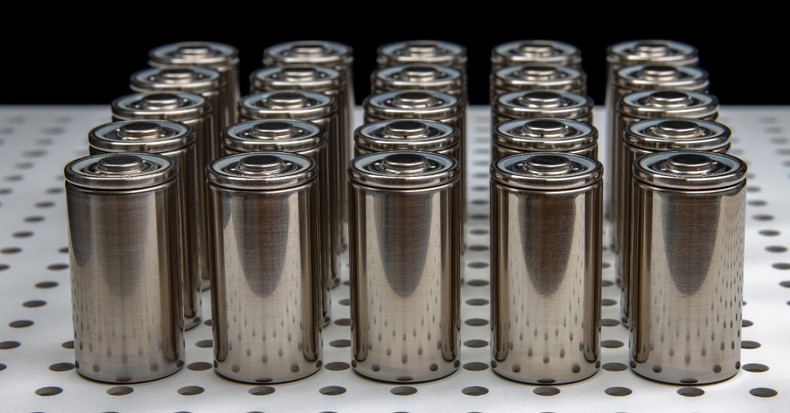
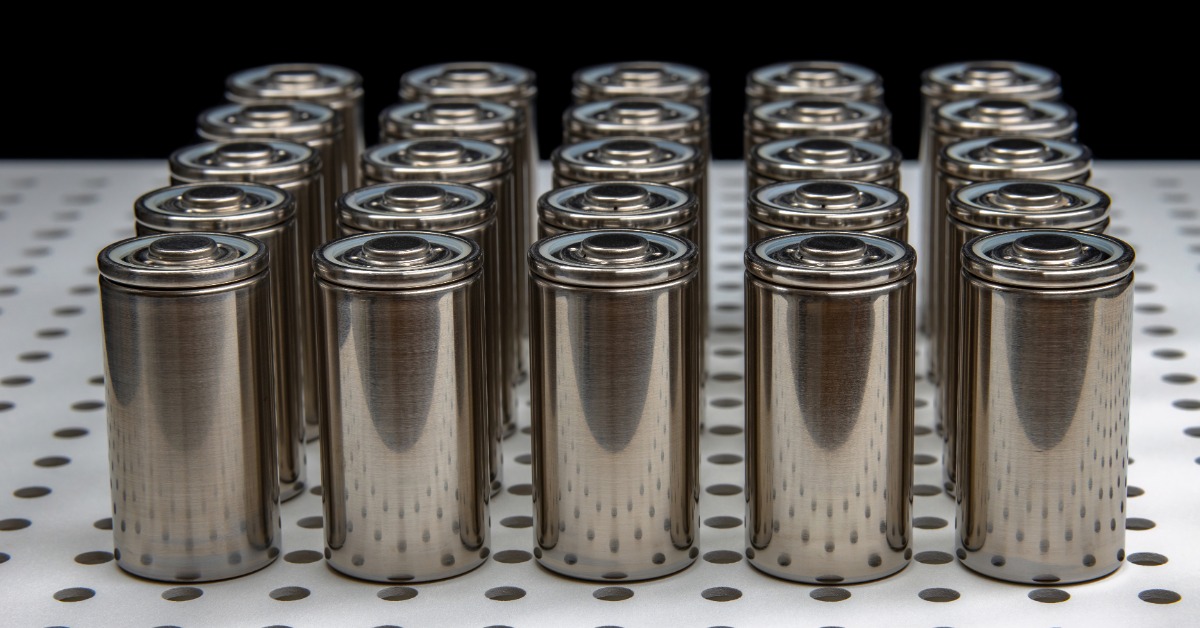
Lithium iron phosphate cells rely on a carefully balanced chemical process to store electrical energy. Known as LiFePO4 cells, they use lithium, iron, phosphate, carbon, and other materials to control the movement of electrical charge. Their internal chemistry influences how each cell reacts to regular use and changing electrical demands.
The process may sound complex, but its basic principles are straightforward. Lithium ions move inside the cell as electrons travel through an external circuit to provide usable power. This coordinated movement allows the battery to release energy and accept it again during recharge.
What makes their chemistry distinctive comes from the structure of their active materials. Strong atomic bonds help the cathode retain its form as lithium moves in and out. A look at the chemistry of LiFePO4 cells reveals how chemistry directly shapes the behavior of each one.
Inside a LiFePO4 Cell
A LiFePO4 cell relies on two active electrodes with a porous separator between them. Lithium iron phosphate serves as the cathode material, and graphite commonly forms the anode. An electrolyte between these materials gives lithium ions a path through the cell.
The separator keeps the electrodes physically apart without stopping ion movement. Electrons cannot pass directly through this barrier, so they must travel through an external electrical circuit. This separation allows the cell to provide useful electrical energy in a controlled manner.
What Makes the Cathode Different
The cathode contains lithium iron phosphate with an organized olivine crystal structure. This arrangement creates strong internal bonds that help the material resist major structural changes during regular cell operation. Lithium can leave and return without forcing the entire framework to transform.
That stable framework has an important influence on the cell's chemical behavior. Oxygen remains firmly connected within phosphate groups rather than separating easily under elevated temperatures. As a result, the cathode maintains its fundamental structure across repeated electrochemical reactions.
How Lithium Moves Through the Cell
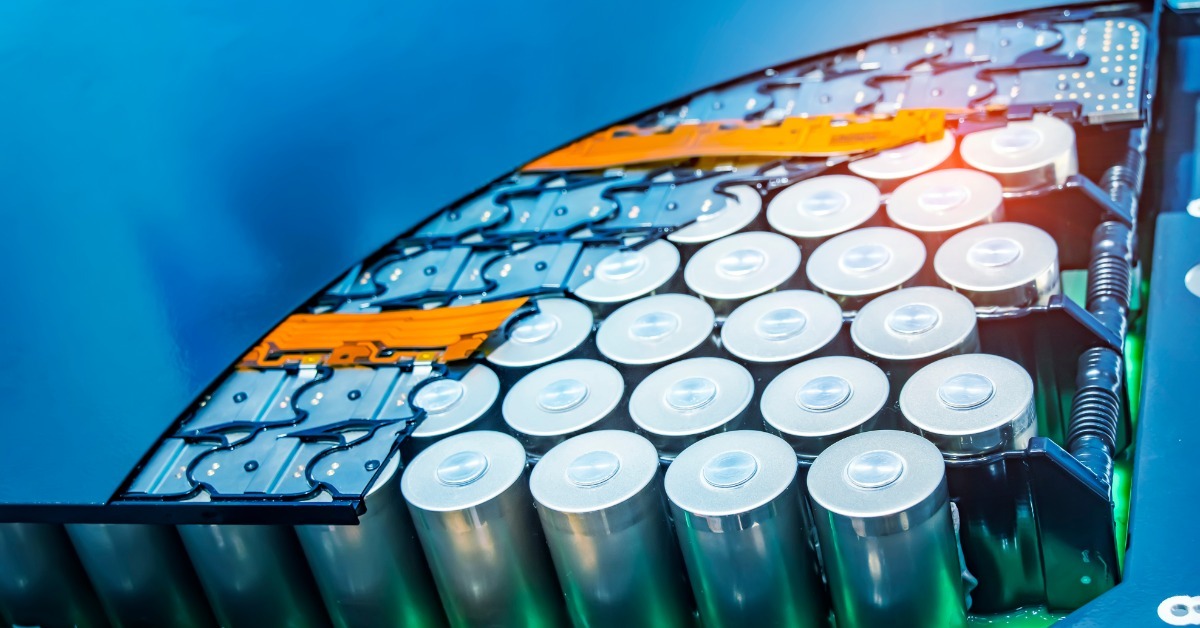
Lithium ions move from the anode toward the cathode when the cell provides electrical power. At the same time, electrons travel through the external circuit because they cannot cross the internal separator. Their movement through that circuit creates the electrical current available to equipment.
Recharge reverses the chemical process inside the cell. Lithium ions leave the cathode and travel back toward the graphite anode as an external power source supplies energy. The ions then settle into available spaces within the graphite structure until another discharge occurs.
Iron Has an Important Chemical Role
Iron participates directly in the chemical reactions that make electrical energy transfer possible. Its oxidation state changes as lithium enters or leaves the cathode material. This reversible process allows electrons to transfer without severe disruption to the cathode's crystal structure.
The relationship between iron and phosphate gives this chemistry much of its distinctive character. Iron remains securely positioned within a strong structural framework throughout normal cell operation. Material purity matters because contaminants can interfere with these carefully controlled chemical reactions.
Strong Phosphate Bonds Support Stability
Phosphate chemistry gives the cathode a firm internal structure. Strong bonds between phosphorus and oxygen make oxygen release more difficult under stressful conditions. The cathode can maintain greater structural integrity as temperatures and electrical demands change.
One of the main benefits of high-quality LiFePO4 battery cells is that they maintain predictable chemical reactions across repeated charge cycles. High material purity helps lithium move through consistent pathways inside the cathode. Better chemical uniformity also reduces irregular areas that could interfere with normal cell reactions.
The Electrolyte Connects Both Electrodes
Lithium ions need a suitable chemical medium to travel between the electrodes. The electrolyte provides this pathway without allowing electrons to take the same direct route. Its composition must remain compatible with both electrode materials throughout normal operation.
Chemical changes within the electrolyte can affect how efficiently ions move through the cell. Unwanted reactions may consume active lithium or alter surfaces inside the battery. Proper electrolyte composition helps keep these reactions under control as the cell ages.
Graphite Stores Lithium During Charge

Graphite has a layered carbon structure with spaces where lithium ions can settle. During recharge, ions move into these spaces without forcing major changes throughout the carbon framework. This structure makes graphite well suited for repeated electrochemical reactions inside rechargeable cells.
The graphite surface also develops a thin protective layer early in the cell's life. This layer permits lithium ions to pass through but limits further reactions between graphite and electrolyte. A stable surface helps preserve normal chemical activity across later charge cycles.
Cell Voltage Comes From Chemical Potential
Voltage develops from the difference in electrochemical potential between the two electrodes. Chemical reactions encourage electrons to move through the external circuit from one side of the cell toward the other. The LiFePO4 chemistry maintains a relatively steady voltage across much of the available charge.
The voltage changes as lithium shifts between the cathode and anode. Excessive voltage can push internal materials outside their intended chemical limits and cause unwanted reactions. Proper electrical control keeps the cell within conditions that support stable chemistry.
Temperature Changes Chemical Behavior
Temperature has a direct effect on reaction rates inside LiFePO4 cells. Cold conditions slow lithium-ion movement through the electrolyte and electrode materials. Greater internal resistance can result because ions have more difficulty moving through their normal pathways.
Excessive heat creates a different form of chemical stress. Higher temperatures can accelerate unwanted reactions within the electrolyte and across electrode surfaces. Effective temperature control keeps the cell closer to conditions that support predictable electrochemical behavior.
Cell Chemistry Evolves With Age
Every charge cycle causes subtle chemical changes inside a rechargeable cell. Small side reactions can consume available lithium and gradually alter the surfaces of active electrode materials. These changes may increase internal resistance as the battery accumulates regular use.
Cell age depends on more than the passage of time. Repeated exposure to excessive heat or unsuitable voltage levels can accelerate unwanted chemical reactions. Appropriate operating conditions reduce this stress and help preserve the cell's intended chemical balance.
Production Quality Shapes Cell Chemistry
The chemistry of a finished cell depends heavily on how manufacturers prepare its materials. Contaminants can disrupt lithium pathways or create unwanted reactions within active electrode surfaces. Consistent material quality helps each area of the electrode react in a more uniform manner.
Moisture can also interfere with sensitive electrolyte chemistry inside a sealed cell. Careful production controls reduce unwanted substances before the final enclosure seals the internal components. Greater consistency at this stage supports more predictable chemical behavior once the battery enters regular service.
Understandingthe Chemistry of LiFePO4 Cells reveals how advanced battery technology relies on a stable chemical structure to deliver consistent performance. The controlled movement of lithium ions supports efficient energy transfer and helps preserve cell integrity across repeated charge and discharge cycles. This chemical stability makes lithium iron phosphate a dependable choice for applications that demand reliable power.
As one of the leading manufacturers of Lithium Iron Phosphate batteries, LithiumWerks combines extensive industry expertise with advanced battery technology to deliver high-quality energy storage solutions. The company's commitment to product reliability reflects the importance of precise cell chemistry and consistent manufacturing standards. With a strong foundation in LiFePO4 technology, LithiumWerks provides dependable battery solutions that meet the demands of modern industrial and commercial applications.