


Lithium iron phosphate (LiFePO4) batteries provide a reliable energy solution for demanding applications that require consistent performance and dependable power delivery. Their advanced chemistry supports excellent thermal stability and an extended service life, making them a practical choice for modern energy systems. However, proper handling and maintenance remain essential to preserve battery performance and ensure safe operation throughout their service life.
Safe operation begins when users understand that lithium cells have specific electrical and environmental limits. A battery can react poorly when conditions move beyond the range set by its manufacturer. These key safety guidelines for lithium batteries will help reduce unnecessary stress and create safer conditions throughout the battery's service life.
Select a Battery Designed for the Application
Every electrical device places unique demands on its power source. A lithium battery must provide the appropriate voltage for the equipment without exceeding the limits of its electrical system. Users should review manufacturer specifications before placing an unfamiliar battery into service.
Battery chemistry also affects how a cell responds during normal use. Equipment designed around one chemistry may require different controls from a system built around another type. Choosing a compatible product gives the battery a safer foundation for dependable operation.
Check the Battery Before Use
A proper visual inspection helps identify potential damage before a lithium battery enters service. Physical defects can compromise the structural integrity of battery cells and affect their safe operation. Any battery with visible damage should undergo professional evaluation before further use.
Regular inspections also help detect changes in battery condition after repeated use or accidental impact. Even minor deformation may indicate damage that requires immediate attention. Removing a potentially compromised battery from service allows qualified personnel to assess its condition and determine whether continued operation is safe.
Charge Batteries With Compatible Equipment
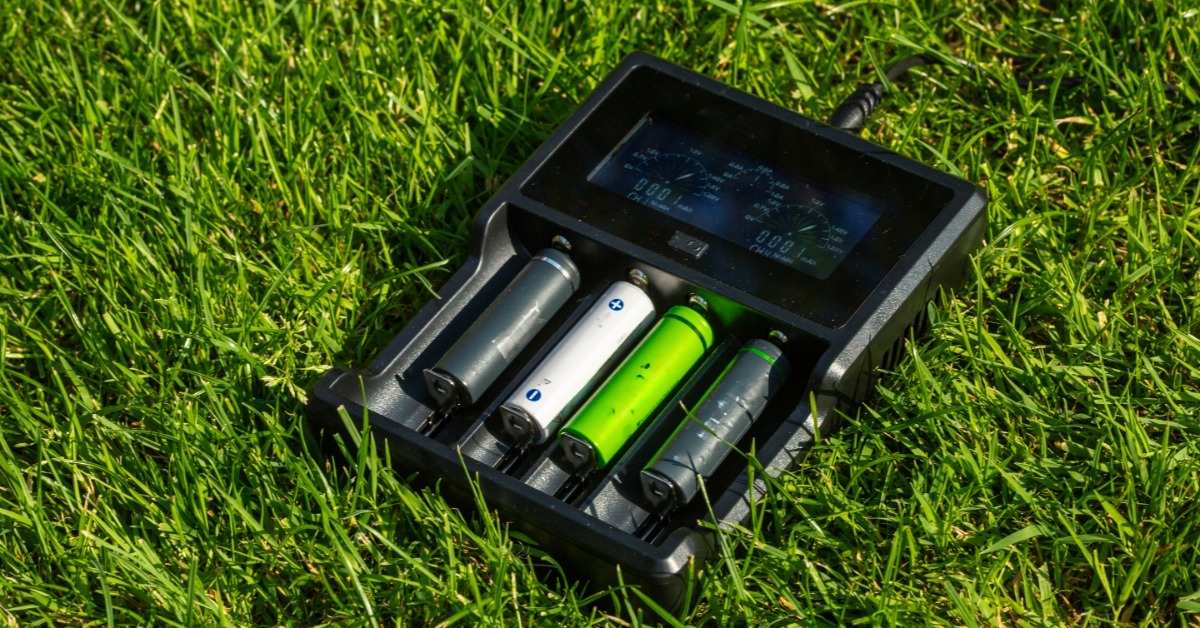
The charger has a direct effect on battery safety. Lithium cells require controlled electrical input that remains within limits established for their specific chemistry. An unsuitable charger can expose a battery to conditions its internal components were not designed to tolerate.
A familiar connector does not prove that a charger can safely support a particular battery. Users should confirm electrical compatibility through manufacturer specifications before connecting unfamiliar equipment. This simple precaution reduces the chance of improper electrical input during each charge cycle.
Keep Batteries Away From Excess Heat
High temperatures place additional stress on lithium cells. A battery left near a strong heat source may face conditions far beyond those expected during normal operation. Direct sun exposure can also raise cell temperature faster than users may expect.
Manufacturers establish temperature ranges to help users maintain safer conditions. Those limits deserve attention during normal operation as much as during storage. A cooler and stable environment reduces unnecessary thermal stress on the battery.
Prevent Contact Across Battery Terminals
A short circuit can occur when conductive material creates an unintended connection across battery terminals. This electrical path may allow a large amount of current to move through the cell rapidly. The resulting heat can create a serious safety concern.
Protective cases help shield exposed terminals when loose cells remain outside their equipment. Proper separation also keeps conductive materials away from vulnerable contact points. Working with high-quality 18650 LiFePO4 batteries is the best foundation for safe use when users also respect manufacturer requirements.
Protect Cells From Physical Force
A lithium battery can experience internal damage after a hard impact. The outer case does not always reveal the full extent of that damage. Users should treat any significant impact as a reason for careful examination.
Pressure can create similar concerns when a battery does not fit properly inside its compartment. Users should never force a cell into equipment that cannot accommodate its dimensions. A correct fit protects the battery case from unnecessary physical stress during normal operation.
Maintain Suitable Storage Conditions

Storage conditions can influence battery safety even when the cell remains unused. A dry environment protects the battery from moisture that could affect exposed electrical contacts. Moderate temperatures also keep cells away from unnecessary environmental stress.
Manufacturer recommendations should determine how a specific battery remains stored for an extended period. Different lithium chemistries can have different requirements during periods without regular use. Following product-specific instructions provides a safer approach than relying on one rule for every battery.
Install Each Battery Carefully
Correct installation helps prevent electrical problems before equipment receives power. Users should confirm polarity before the battery makes final contact with the electrical system. A reversed connection may damage the battery or the equipment it supplies.
The battery should also sit securely inside its intended compartment. Excessive movement can place repeated stress on electrical contacts during equipment use. Proper support keeps the cell stable without placing unnecessary pressure against its protective case.
Take Warning Signs Seriously
An unusual change in battery behavior deserves immediate attention. Some problems develop gradually, but others can become hazardous in a short period. Pay particular attention to these warning signs:
- Unexpected heat during normal use or charge
- Visible swelling or changes to the battery case
- Smoke or an unusual odor near the battery
- Fluid or residue around the cell
- Sudden and unexplained loss of battery performance
- Damage near terminals or electrical contact points
Any of these signs can indicate that the battery requires immediate attention. Users should follow manufacturer safety procedures and keep the affected cell out of normal service. A careful response prevents continued use of a battery that may no longer operate within safe limits.
Use Proper Disposal Procedures
A lithium battery remains an energy source even after it can no longer power equipment effectively. For this reason, ordinary waste disposal may not provide an appropriate destination. Local authorities can provide current requirements for lithium battery disposal within a specific area.
Damaged cells may need different treatment from batteries that simply reached the end of normal service. Users should seek appropriate instructions before they move a battery that appears unsafe. Responsible disposal keeps unwanted cells within systems prepared to manage lithium battery materials properly.
Lithium battery safety depends on the choices users make throughout the life of each battery. Proper care helps prevent avoidable hazards and gives users greater confidence in the power systems they rely on. Manufacturer requirements should remain the primary reference whenever questions arise about safe use.
Following the key safety guidelines for lithium batteries means recognizing when a battery no longer belongs in active service. Users who respect battery limits can protect their equipment and create a safer environment around lithium power systems. A consistent approach to safety ultimately supports dependable performance without placing people or valuable equipment at unnecessary risk.